nirvana.me
The Burning Lake of Bhutan: A Place Where Myth and Light Converge
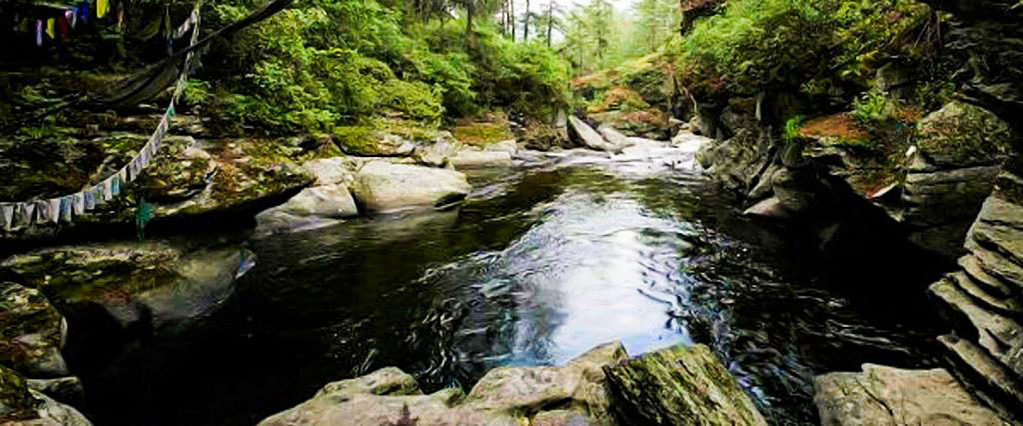
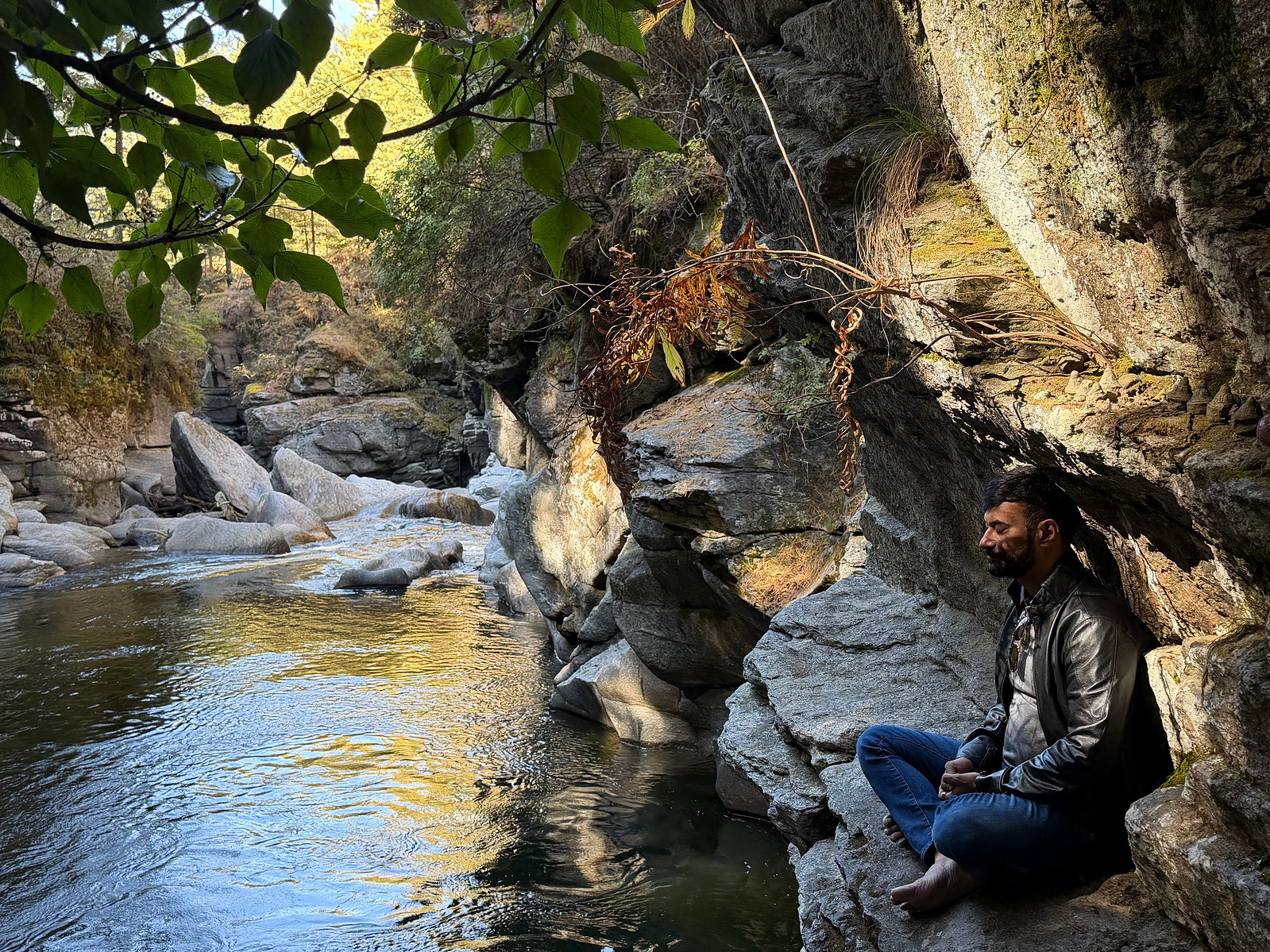
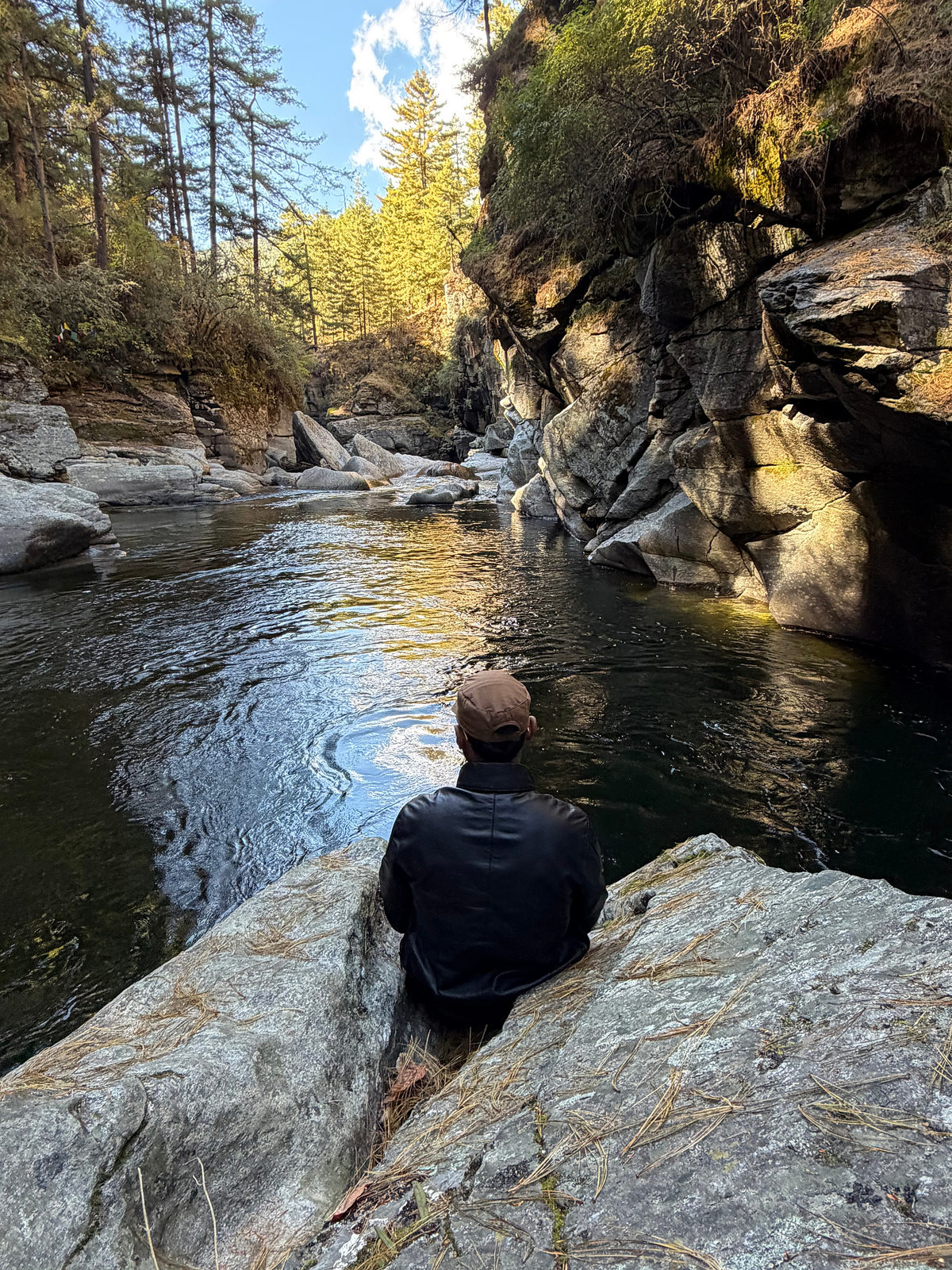
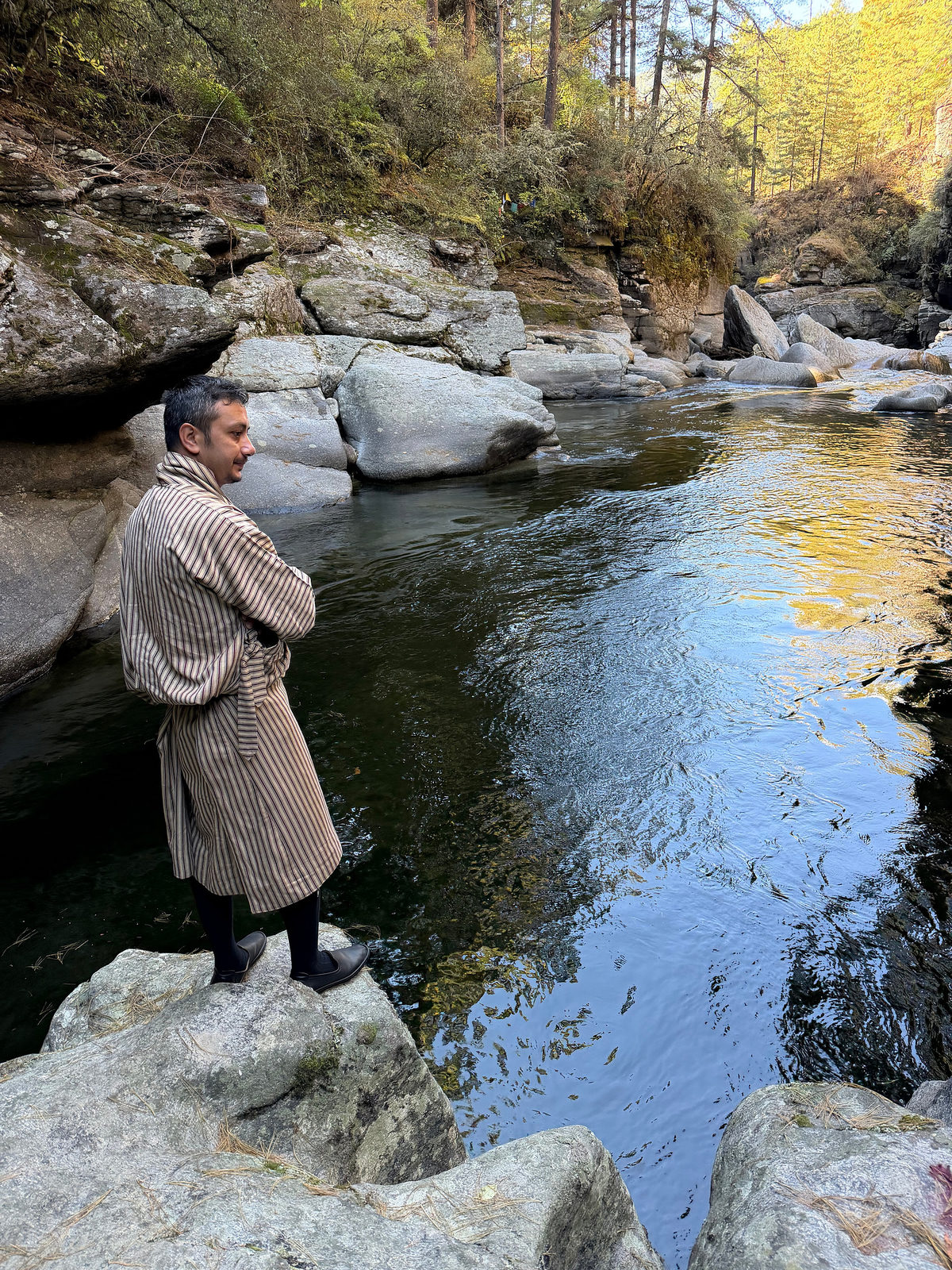
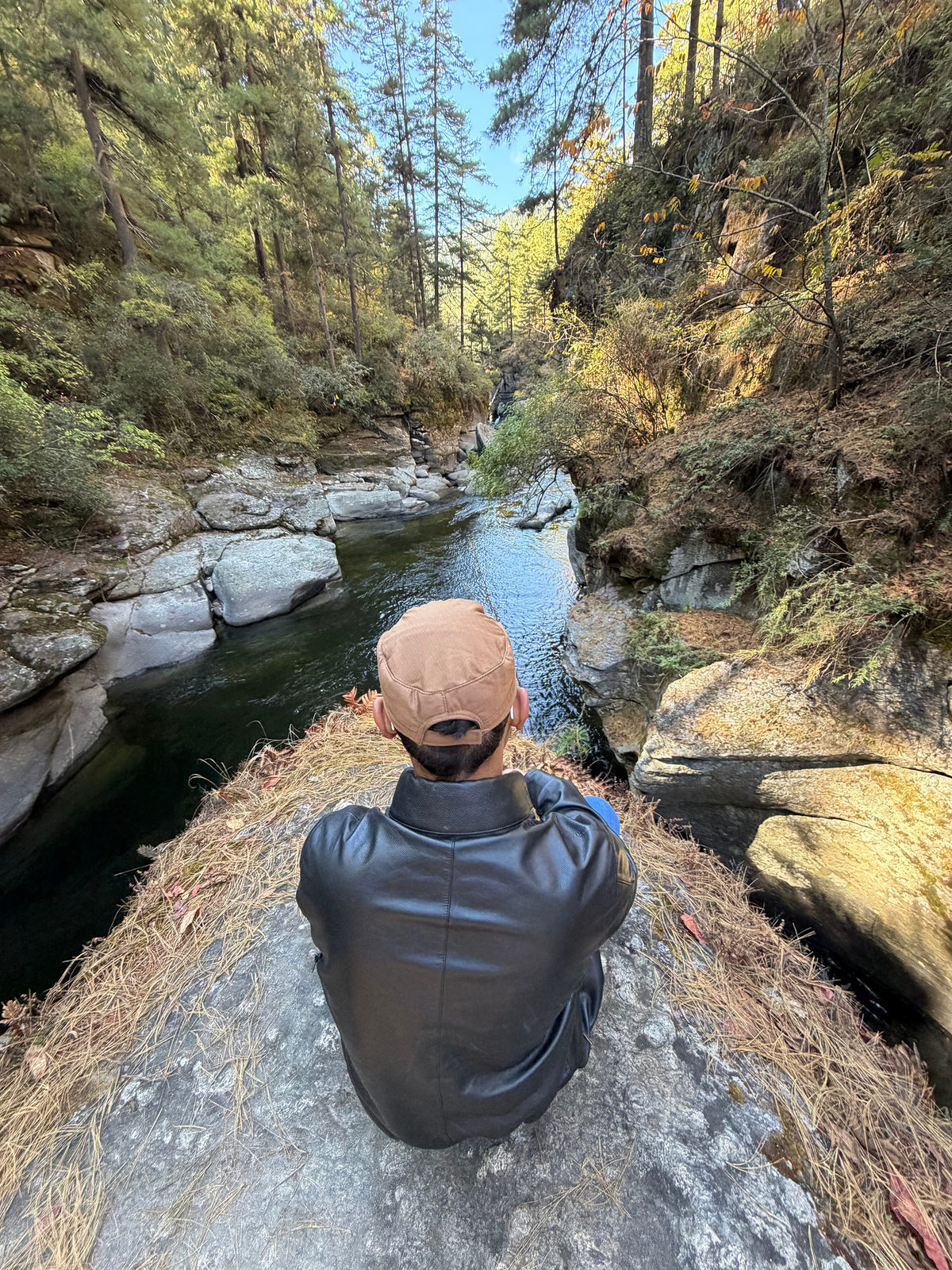
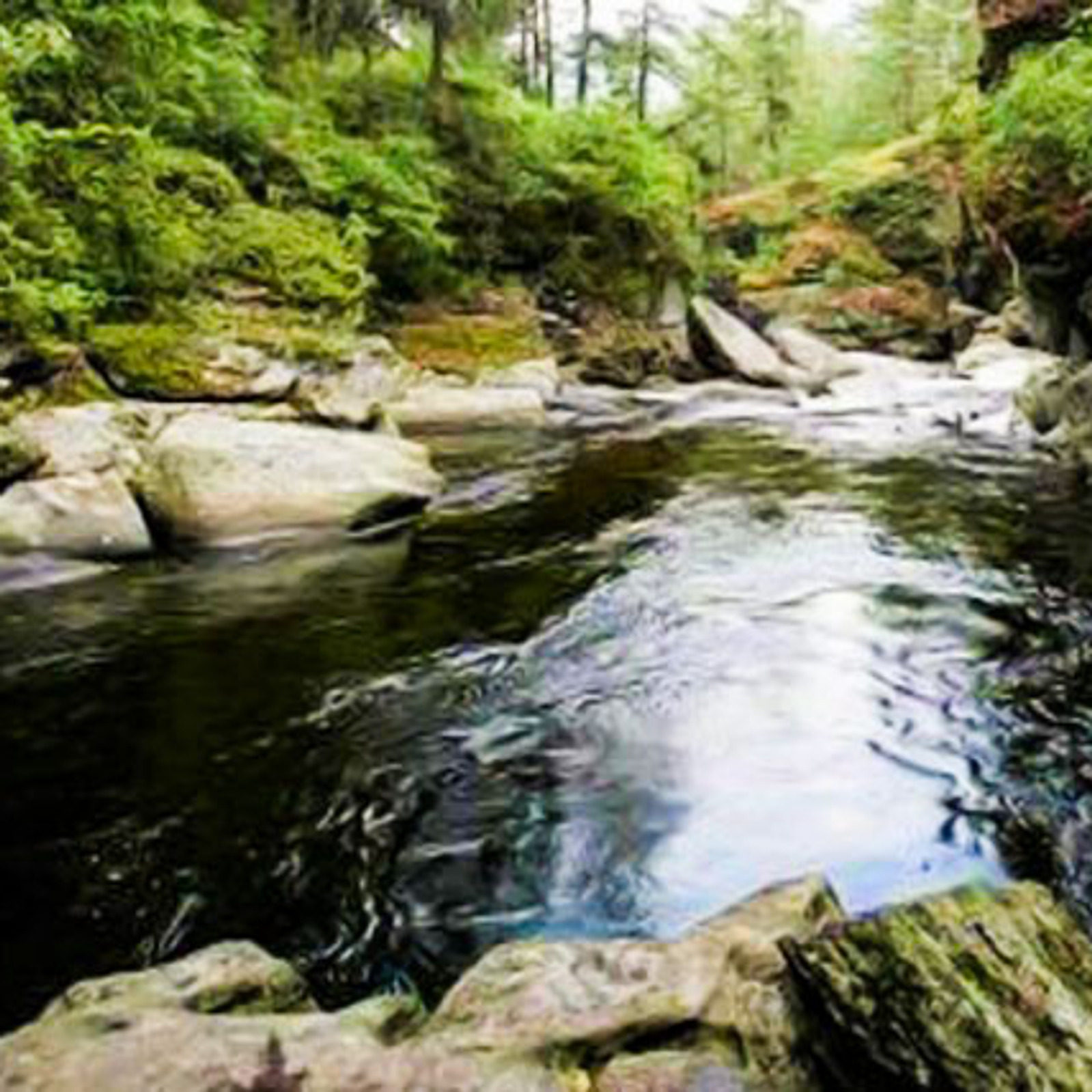
Nestled in the quiet valley of Tang in Bumthang lies one of Bhutan’s most enigmatic spiritual sites, Mebar Tsho, famously known as The Burning Lake. It isn’t a lake in the traditional sense but a serene, narrow gorge where water rushes through sculpted rock. Yet for centuries, Bhutanese people have regarded this place as sacred, believing it holds the power to reveal truth to those whose hearts are pure.
The story of The Burning Lake traces back to the 15th century, when the revered treasure revealer Pema Lingpa had a prophetic vision that a sacred text hidden by Guru Rinpoche lay beneath the surface of these waters. The local people were skeptical; the waters were cold, deep, and unforgiving. But Pema Lingpa, holding a burning lamp in one hand, leapt into the dark pool.
Minutes passed. The flame should have died instantly…
Yet when he emerged, the lamp was still burning; a miracle that transformed this quiet river gorge into one of Bhutan’s most powerful spiritual landscapes.
Even today, the area radiates an uncanny sense of calm. Butter lamps flicker along the wooden railing. Prayer flags stretch across the cliffside, whispering mantras into the wind. Travelers describe the place as less of a sightseeing stop and more of an energetic shift — a moment where the world slows down, and something ancient feels close.
Visiting Mebar Tsho isn’t just about seeing a sacred site. It’s about stepping into a living myth. It’s about feeling the weight of stories that have carried a nation for centuries. And more than anything, it’s a reminder that sometimes the most profound experiences don’t come from the grandest monuments, but from the quiet places where belief, nature, and mystery meet.
Whether you come as a traveler, a seeker, or a curious observer, The Burning Lake invites you into a narrative that is still unfolding; one where water burns, light survives the impossible, and faith becomes something almost tangible.